What is Root Canal Treatment?
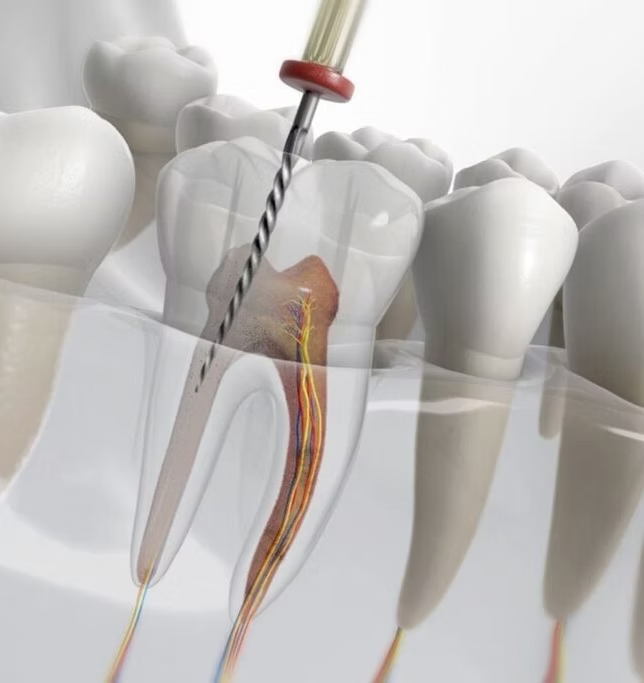
Root canal treatment is a treatment method used when the soft tissue inside the tooth, called the pulp (dental pulp), becomes inflamed or infected. The pulp contains the blood vessels and nerves that ensure the tooth’s vitality. Infection of the pulp due to deep decay, trauma, cracks, or recurrent fillings can cause severe pain and spread the infection to the jawbone. The goal of root canal treatment is to remove the inflamed or dead pulp tissue, disinfect the inside of the tooth, and save the tooth by filling it with special filling materials. This procedure prevents the tooth from being extracted, allowing it to remain in the mouth. Modern endodontics (root canal treatment specialization) performs this procedure painlessly and with a high success rate. DTM Clinic in Gaziantep provides root canal treatment services using the latest technologies and expert dentists.
What is MTA Treatment?
MTA (Mineral Trioxide Aggregate) is a biocompatible, specialized mineral substance that has been widely used in dentistry in recent years. MTA is known as a material with the potential to heal and regenerate dental tissues. It is particularly used in root canal treatment, root tip resection, and pulp therapy. MTA has antibacterial properties and provides a very good seal, even in moist environments. These properties play a critical role in treating infections inside the tooth and in treatments aimed at preserving tooth vitality. The greatest advantage of MTA is that it encourages the tooth’s own tissues to heal, allowing the tooth to remain in the mouth for longer.
Differences Between Root Canal Treatment and MTA Treatment
Root canal treatment and MTA treatment are not alternatives; rather, MTA is a component used in certain stages of root canal treatment and in special circumstances.
In short, root canal treatment is the name of a procedure, while MTA is an advanced material used in that procedure.
When Is Root Canal Treatment Necessary?
Root canal treatment becomes necessary when the pulp tissue of a tooth is irreversibly damaged. The following symptoms and conditions may indicate the need for root canal treatment:
- Severe and Prolonged Pain: Severe toothache that worsens, especially at night, and does not respond to painkillers.
- Hot and Cold Sensitivity: Prolonged sensitivity to hot or cold foods/drinks.
- Tooth Discoloration: Darkening of the tooth due to pulp death.
- Gum Swelling: A swelling, abscess, or pimple-like formation at the tip of the tooth’s root, resulting from the spread of infection to the jawbone.
- Dental Trauma: Tooth fracture and pulp exposure due to impact or accident.
It is critical for people experiencing any of these symptoms to see a dentist immediately to save the tooth.
In what cases is MTA Treatment used?
MTA is used particularly in complex cases and in treatments that aim to preserve the vitality of the tooth.
- Direct Pulp Capping: If the pulp is exposed during deep caries removal, MTA is applied to the pulp to preserve the vitality of the tooth.
- Amputation (Partial Pulpotomy): In primary teeth or young permanent teeth, only the infected pulp at the crown is removed and MTA is applied to the healthy pulp in the root canal.
- Root Apexification: In young permanent teeth with incomplete root development and infected pulp, MTA is used to seal the root apex.
- Root Canal Perforation Repair: Repair of perforations in the root canal that occur during or after root canal treatment.
Our Root Canal Treatment Services
DTM Clinic | As Gaziantep Implant and Dental Clinics, we provide root canal treatment at the highest standard.We perform the procedure according to established standards and prioritize patient comfort.
- Radiographic Diagnosis: The condition of the root canal and the success of the treatment are checked with digital X-rays before and after the procedure.
- Endodontic Treatment: The damaged pulp tissue is cleaned and disinfected with special instruments.
- Root Canal Filling: The canal is filled with biocompatible filling materials to prevent the entry of microorganisms.
- Post and Crown Application: When necessary, a post is placed after root canal treatment to increase the durability of the tooth, and a crown (covering) is placed on top.
Our MTA Treatment Services
MTA is an important material we use in tooth-saving operations. We offer the following services using this material in our clinic:
- Pulp-Preserving Treatments: MTA-assisted treatments applied to deep caries to preserve the vitality of the tooth.
- Amputation in Pediatric Dentistry: Pulp treatments of primary teeth.
- Root-Apse Covering Treatments: Treatment of immature permanent teeth.
- Regenerative Endodontic Procedures: Advanced treatments that stimulate tooth root development.
How is Root Canal Treatment Performed?
Root canal treatment consists of a series of stages that require meticulousness and precision:
- Local Anesthesia: The tooth and the surrounding area are completely anesthetized, preventing pain during the procedure.
- Accessing the Tooth: The pulp chamber is accessed by drilling an opening through the chewing surface.
- Cleaning the Pulp: Special endodontic instruments (files) are used to carefully remove the infected pulp tissue, nerves, and vessels.
- Shaping the Canal: The canals are irrigated with disinfectant fluids and prepared for a filling.
- Oiling the Canal: The canals are filled with a special material called gutta-percha and a sealant.
- Restoration: After root canal treatment, a filling or crown is placed on the tooth.
Tooth Saving Methods with MTA
The most important feature of MTA is that it gives dentists the opportunity to save the tooth even in seemingly hopeless situations.
- Creating a Biological Barrier: MTA prevents new infection by forming a hard barrier on the pulp tissue.
- Encouraging Root Development: It seals the root apex of underdeveloped teeth, helping the tooth continue its normal development.
- Hole Repair: It seals holes on the root surface of the tooth, preventing tooth extraction and allowing the gums to heal.
Anesthesia and Pain Control in Root Canal Treatment
Although root canal treatment is commonly known as a painful procedure, it is completely painless with proper local anesthesia techniques. The dentist assesses the patient’s sensitivity before the procedure and provides adequate numbing. Painkillers may be prescribed for mild pain or tenderness that may occur after treatment. This sensitivity usually subsides on its own within a few days.
Healing Process After Root Canal Treatment
The recovery process after root canal treatment is generally rapid.
- First 24 Hours: Mild sensitivity and pain are normal after the procedure. Painkillers prescribed by your dentist can be used.
- Diet: Food should not be eaten until the anesthesia wears off. Afterward, hard and sticky foods should be avoided and chewing should be done with the opposite side.
- Hygiene: Oral hygiene should be maintained, and teeth should be brushed regularly.
Things to Consider After MTA Treatment
The precautions to be taken after MTA treatment are similar to those after root canal treatment. However, due to the healing effects of MTA, it is critical to follow checkups at the intervals recommended by your dentist and to regularly monitor the condition of your teeth. Especially in pediatric patients, checkups are crucial to ensure that tooth development is progressing in the correct direction.
Can Root Canal Treatment Prevent Tooth Loss?
Yes, root canal treatment prevents the extraction of a tooth infected by decay or trauma, allowing it to remain in the mouth. Extracting a tooth can lead to problems such as shifting of adjacent teeth, decreased chewing function, and loss of jawbone. Root canal treatment prevents these negative consequences and preserves the function and aesthetics of the natural tooth.
What are the Advantages of MTA Treatment?
- Biocompatibility: It integrates perfectly with body tissues.
- Healing Properties: It promotes the healing of dental tissues.
- Antibacterial Effect: It helps control infection.
- Strong Sealing: It seals the canals tightly.
Is Root Canal Treatment Possible in a Single Visit?
Thanks to modern technology and advanced disinfection methodsIn Gaziantep, root canal treatment can often be completed in a single visit. This is especially true in cases where the infection hasn’t progressed too far and the inflammation is limited. However, in cases of abscess formation or a severe infection, complete removal may require several visits. Your dentist will advise you on the most appropriate treatment plan after your initial examination. At DTM Clinic in Gaziantep, root canal treatment is available in a single visit.
Who Are We?
DTM Clinic is a dental clinic in Gaziantep that provides modern dentistry, offering aesthetic and functional solutions to its patients with its expert staff and state-of-the-art equipment. Our goal is to protect the oral and dental health of patients of all ages and help them achieve a confident and healthy smile. Our clinic offers a comprehensive range of services, including both daily dental care and advanced treatments.