What is Dental Scaling (Scaling)?
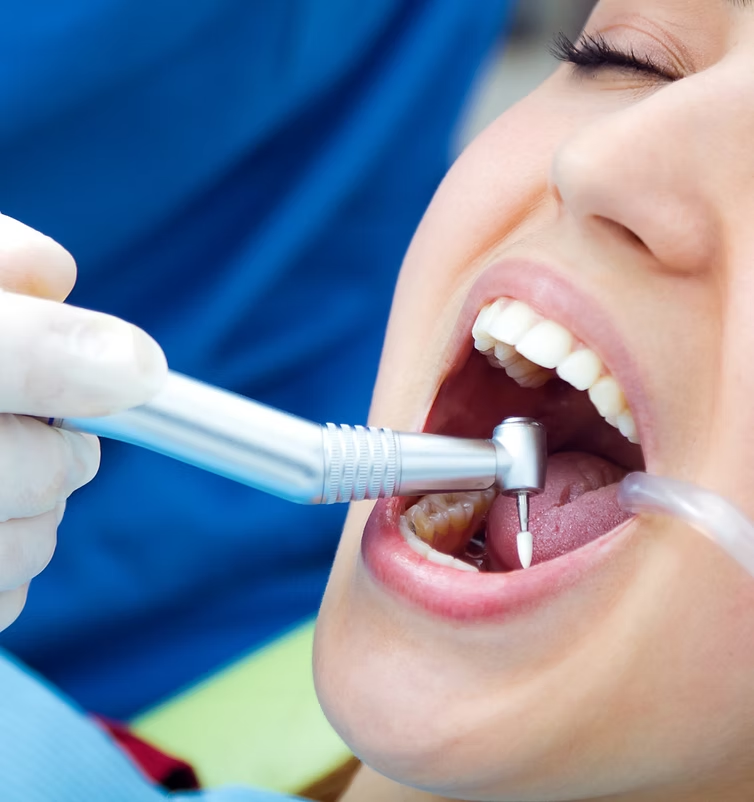
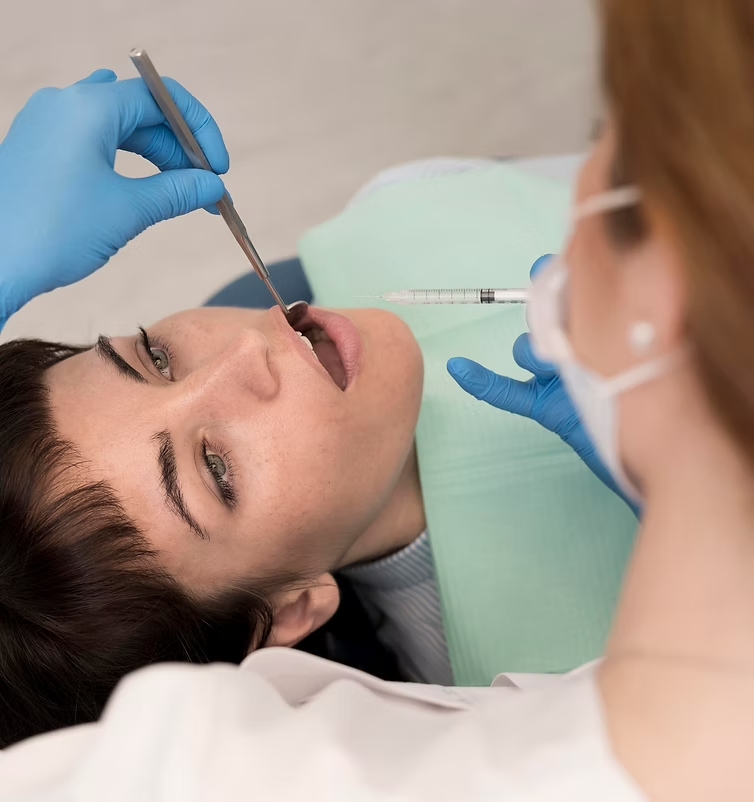
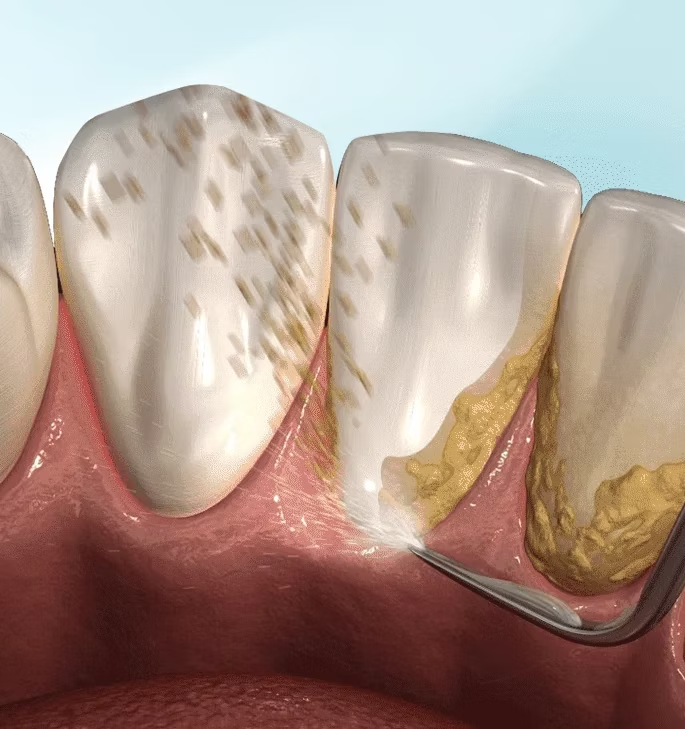
Scaling, medically known as scaling, is a professional oral hygiene procedure performed by dentists. Minerals and bacteria found in saliva combine with the soft plaque layer on the tooth surface, hardening over time and turning into hard deposits called tartar. These deposits cannot be removed with home methods such as toothbrushes and dental floss. Scaling involves removing these hardened deposits from the tooth surfaces and under the gums using specialized tools. This procedure plays a critical role in preventing gum disease and maintaining oral health. At specialized dental centers like DTM Clinic in Gaziantep, this procedure is performed using state-of-the-art equipment, prioritizing patient comfort.
Why Is Dental Tartar Necessary?
Dental tartar cleaning is more than just an aesthetic concern; it’s vital for preventing serious oral and overall health problems. Due to their porous structure, dental tartar traps more bacteria, increasing the bacterial load in the mouth.
- Gum Disease: Dental tartar causes inflammation of the gums (gingivitis). If left untreated, this inflammation can spread to the bone supporting the teeth, leading to a more serious condition called periodontitis. Periodontitis is one of the most common causes of tooth loss.
- Bad Breath: Tartar and plaque buildup provide an ideal breeding ground for bacteria that cause bad breath (halitosis).
- Tooth Decay: Plaque deposits make it easier for decay-causing bacteria to damage tooth enamel.
- Relationship with General Health: Chronic oral infections (such as periodontitis) can be associated with systemic conditions such as heart disease, diabetes, and respiratory diseases.
Therefore, tartar removal protects not only your oral health but also your overall body health.
Our Tartar Removal Services
At DTM Clinic, we offer comprehensive tartar removal services tailored to our patients’ needs. Because each patient’s oral structure and tartar buildup vary, we take a personalized approach.
- Ultrasonic Cleaning: A special device that emits rapid vibrations (an ultrasonic scaler) is used to break up large tartar deposits and remove them from the tooth surface.
- Manual Cleaning: Fine, precision-tipped hand instruments (curettes) are used to remove stubborn and small tartar deposits, especially those beneath the gums.
- Polishing: After the cleaning process is complete, a polishing process is performed with a special paste and brush to remove stains from the tooth surface and create a smooth surface. This delays the accumulation of new plaque.
Who is Suitable for Tartar Cleaning?
Tartar Cleaning is suitable for anyone with tartar, plaque, or surface stains in their mouth. Regular cleaning is especially important for individuals experiencing the following conditions:
- Those with bleeding gums: Bleeding gums while brushing or flossing is the most common symptom of gingivitis.
- Those with bad breath: Tartar is one of the most common causes of bad breath.
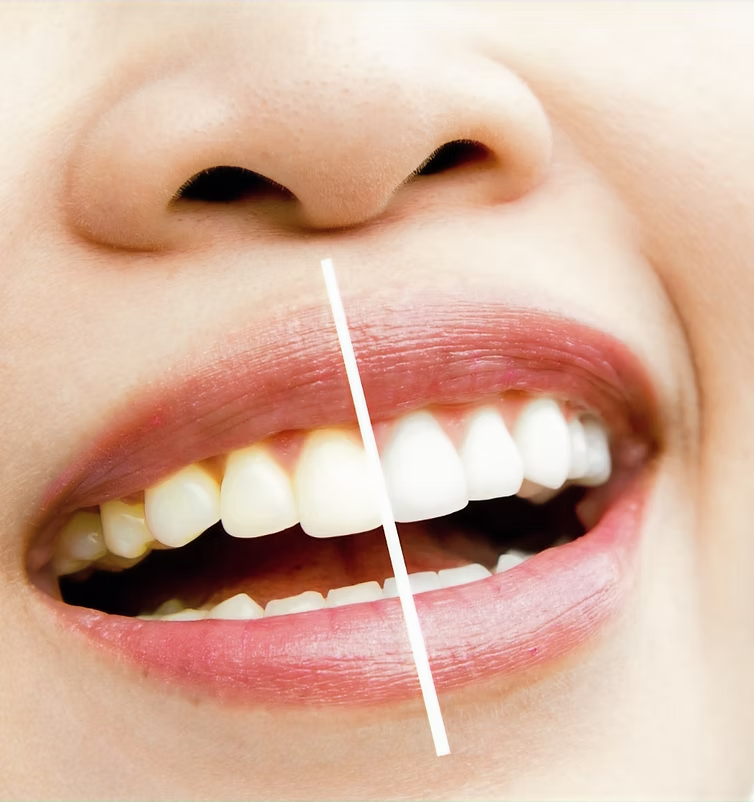
- Those with yellowing and staining on their teeth: To remove stains caused by external factors such as tea, coffee, and cigarettes.
- Those with receding gums: This indicates that periodontal disease is progressing and can be controlled with tartar cleaning.
- Those with tartar formation despite careful oral hygiene: Tartar formation may be faster in some individuals due to their salivary structure.
When to Clean Tartar Should it be done?
The timing of dental tartar cleaning varies depending on an individual’s oral hygiene habits, diet, and genetic predisposition. The generally accepted and ideal frequency is a professional cleaning every 6 months.
- If You Don’t Have a Routine: No matter how closely you maintain your oral hygiene, tartar can build up in areas your toothbrush can’t reach.
- Special Circumstances: Individuals who are prone to gum disease, smoke, or experience accelerated tartar buildup may need more frequent dental checkups (e.g., every 3-4 months).
These regular checkups not only ensure proper tartar cleaning but also allow for the early detection of potential cavities or other oral health problems.
How is tartar removal done?
Scaling is a generally painless procedure consisting of several steps.
- Examination: The dentist checks the condition of your teeth and gums to determine the amount of tartar buildup.
- Ultrasonic Cleaning: Ultrasonic instruments are used to clean the tooth surfaces and below the gumline. These instruments break up and remove tartar by vibrating.
- Manual Cleaning: Areas that ultrasonic instruments cannot reach or that contain stubborn residue are meticulously cleaned with special hand tools.
- Polishing: In the final stage, the tooth surfaces are polished with a soft brush and a special paste. This removes surface roughness and delays stain formation.
The procedure usually takes 30-45 minutes. Local anesthesia may be used in cases of sensitivity.
Methods Used in Tartar Cleaning
The main methods used in tartar cleaning have been combined with the technological capabilities offered by modern dentistry.
- Ultrasonic Devices (Scalers): These devices, which operate using high-frequency sound waves, mechanically break down dental tartar. They work with a water spray, providing both cooling and removing the cleaned debris. This method is fast and effective.
- Manual Instruments (Curettes and Scrapers): These are specially designed, fine-tipped instruments used by dentists. They are used specifically for removing small amounts of tartar located within the gum pockets and smoothing the root surfaces of teeth.
- Air-Flow Cleaning: This is a method in which a special micron-sized cleaning powder is mixed with water and air and sprayed onto the tooth surface at high pressure. It is particularly effective in removing stains caused by substances such as coffee, tea, and cigarettes, and leaves the tooth surface perfectly smooth.
Pre-Scaling Examination and Preparation
A thorough examination by a dentist before scaling ensures the safe and effective procedure.
- Intraoral Evaluation: Gum health, the presence of decay, the condition of fillings, and the amount of tartar are examined in detail.
- Patient Information: The patient is informed about the procedure, potential sensitivities, and aftercare.
- Pain Management: If the patient has gum sensitivity, local anesthesia or topical anesthetic gels may be applied before the procedure.
At the DTM Clinic in Gaziantep, a personalized preparation process is implemented for each patient, making the procedure comfortable and stress-free.
Oral and Dental Care After Scaling
Scaling should be the beginning of your oral hygiene routine. Things to consider after the procedure:
- Sensitivity: Temporary sensitivity in the teeth and gums is normal after the procedure. This condition usually resolves on its own within a few days. During this period, very hot or cold foods and drinks should be avoided.
- Diet: Avoid coloring foods (coffee, tea, red wine, etc.) and smoking for the first few hours.
- Brushing and Flossing: Teeth should be brushed at least twice a day, and dental floss or an interdental brush should be used after each brushing. This prevents plaque buildup and new tartar formation.
- Mouthwash: Mouthwashes recommended by your dentist can be used.
How Often Should You Clean Your Teeth?
The frequency of tartar cleaning is individual.
- General Rule: Routine checkups and cleanings every 6 months are ideal for individuals with a healthy mouth.
- High-Risk Groups: Those with a genetic predisposition to gum disease, smokers, diabetics, or individuals with poor oral hygiene may need checkups and cleanings every 3-4 months.
Regular professional cleanings not only prevent tartar buildup but also prevent larger and more costly treatments by detecting potential gum disease, cavities, and other oral health problems at an early stage.
Scaling in Children and Adolescents
Scaling is only seen in adults.This isn’t a permanent condition. Tartar can also form in children and adolescents due to inadequate oral hygiene.
-
- Early Diagnosis and Education: Regular visits to the dentist during childhood ensure early detection of tartar buildup. Pedodontists teach children proper brushing techniques and help them develop lasting oral hygiene habits.
- Preventive Practices: In addition to tartar cleaning, preventive treatments such as fissure sealants and fluoride applications are also used to reduce the risk of cavities in children.
At DTM Clinic in Gaziantep, we offer a specialized pedodontics department to protect the oral health of our children and adolescents and help them develop lifelong healthy habits. This ensures that future adults have a healthy smile.
Who Are We?
DTM Clinic is a dental clinic in Gaziantep that provides modern dentistry with its expert staff and state-of-the-art equipment, offering aesthetic and functional solutions to its patients. Our goal is to protect the oral and dental health of patients of all ages and help them achieve a confident and healthy smile. Our clinic is here to help you with both daily dental care and advanced treatments with a comprehensive range of services.