What is Composite Laminate (Bonding)?
A composite laminate is a thin layer of composite resin material applied to the front surface of the tooth, frequently used in dental aesthetics. This process is also called “bonding” or “dental bonding.” A composite laminate is used to correct the shape, size, color, and alignment of teeth. Its primary purpose is to correct minor imperfections in the teeth and achieve a more aesthetically pleasing smile. It is a less invasive method than porcelain laminates and generally does not require any tooth abrasion. The application is completed by the dentist shaping the composite resin layer by layer onto the tooth and curing it with a special light. The result is a durable, aesthetic surface that looks and feels similar to a natural tooth. In specialized dental clinics like DTM Clinic in Gaziantep, this procedure is performed individually using the most modern techniques.
What are the Types of Composite Veneers?
Composite veneer applications can vary depending on the material used and the application technique. However, while a single type of composite resin material is generally used, the application method and scope vary:
- Direct Composite Veneer: This is the most common method and is often called bonding. The dentist applies and shapes the composite material directly to the patient’s tooth. The entire procedure can be completed in a single visit. This method is ideal for repairing small chips, cracks, discolorations, and gaps in teeth.
- Indirect Composite Veneer: In this method, an impression of the tooth is taken, and the composite veneer is prepared in a laboratory. The dentist then bonds it to the tooth. Indirect composite laminates may be preferred for larger restorations, but they may require more time than direct applications.
Composite resins, however, can vary depending on their particle size. Types such as microfill, hybrid, and nanofill composites offer different properties in terms of durability and aesthetic appearance. The dentist selects the material that best suits the patient’s needs.
Who Can Apply Composite Laminates?
Composite laminates are an aesthetic dentistry procedure that appeals to a wide range of patients. The main patient groups eligible for treatment are:
- Those with Diastema: This is an ideal method for aesthetically closing the gaps between the front teeth.
- Those with Broken or Cracked Teeth: It offers a fast and effective solution for repairing small chips or cracks.
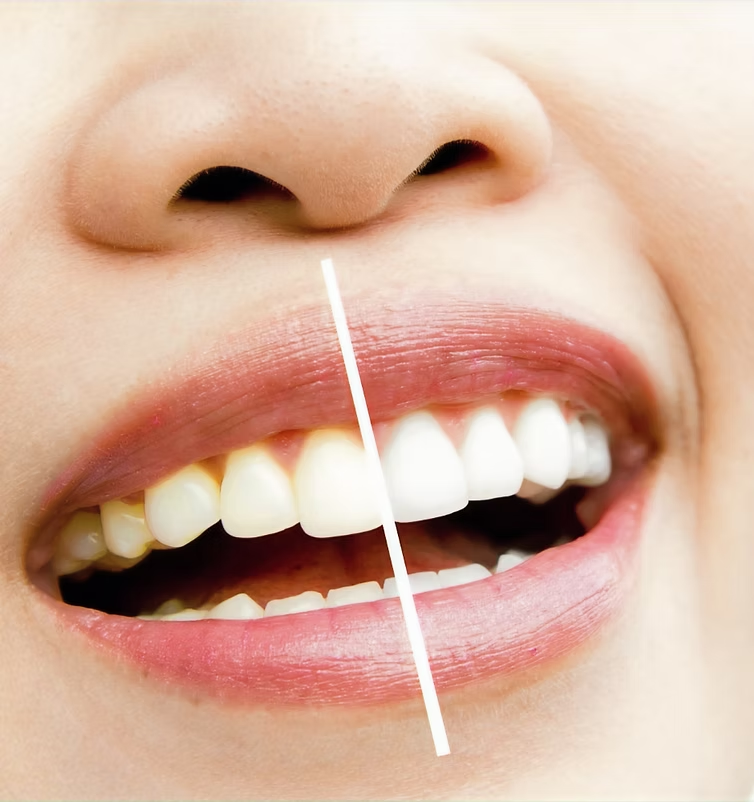
- Those with Tooth Color Problems: Those with stubborn stains and discoloration that cannot be removed with teeth whitening treatment.
- Those with Short or Small Teeth: It can be used to lengthen or enlarge the size and shape of teeth.
- Those with Mildly Crooked Teeth: It can be preferred for masking mild crowding that does not require orthodontic treatment.
However, it is not recommended for severely crooked teeth, severe bruxism, or the need for multiple restorations. For patients with existing dental problems, other treatment options such as porcelain veneers or orthodontics may be more suitable. Therefore, a detailed examination is essential before starting treatment and making the most appropriate decision for the patient. At DTM Clinic in Gaziantep, a personalized treatment plan is created for each patient.
What Should Be Considered Before Composite Veneer (Bonding) Application?
To get the best results and ensure the longevity of composite veneer application, some important steps must be taken before the procedure.
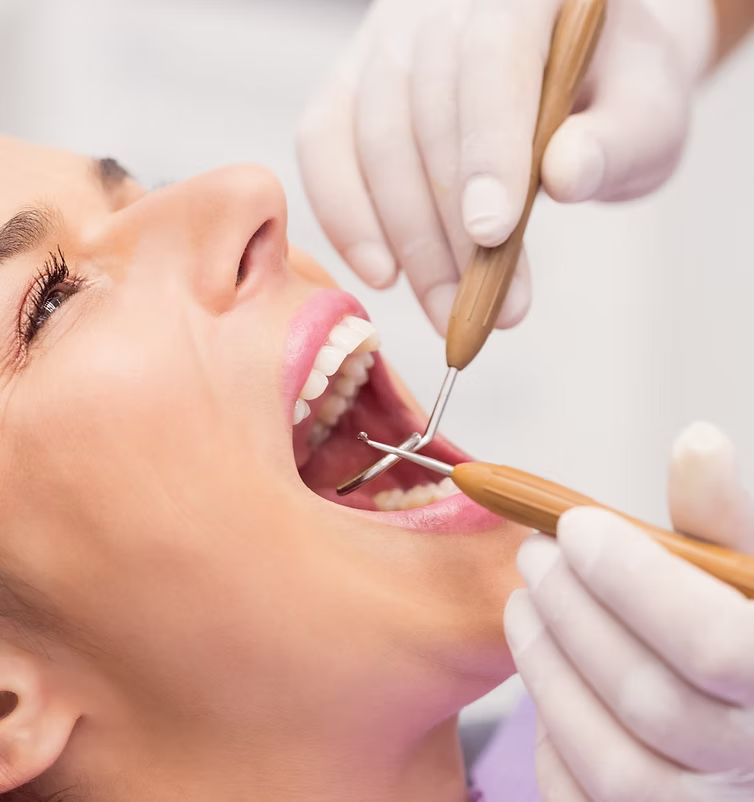
- Detailed Dental Examination: The dentist should evaluate your overall oral and dental health and decide whether composite veneers are suitable for you. If you have problems such as cavities or gum disease, these should be treated first.
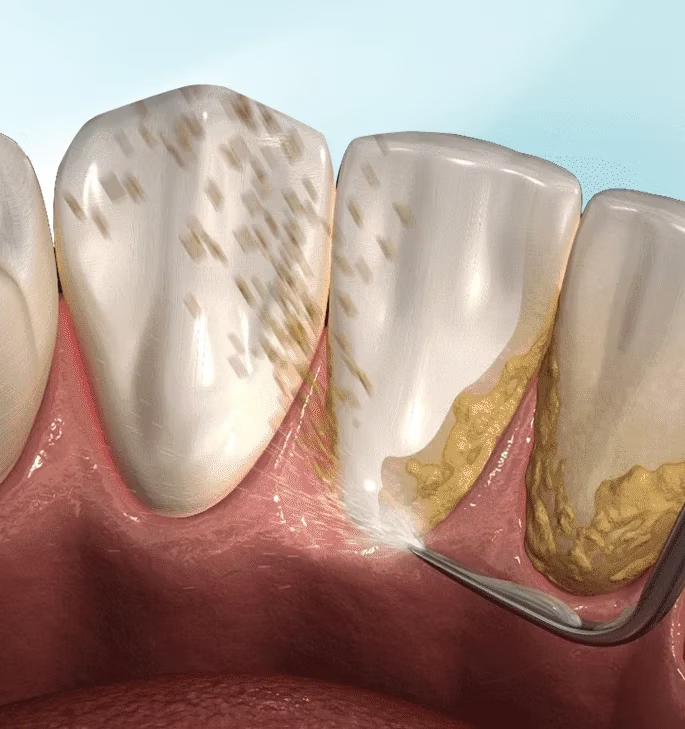
- Oral Hygiene Checkup: Prior to the procedure, the highest level of oral hygiene should be ensured. Professional dental cleaning removes plaque and tartar buildup, creating a healthy environment.
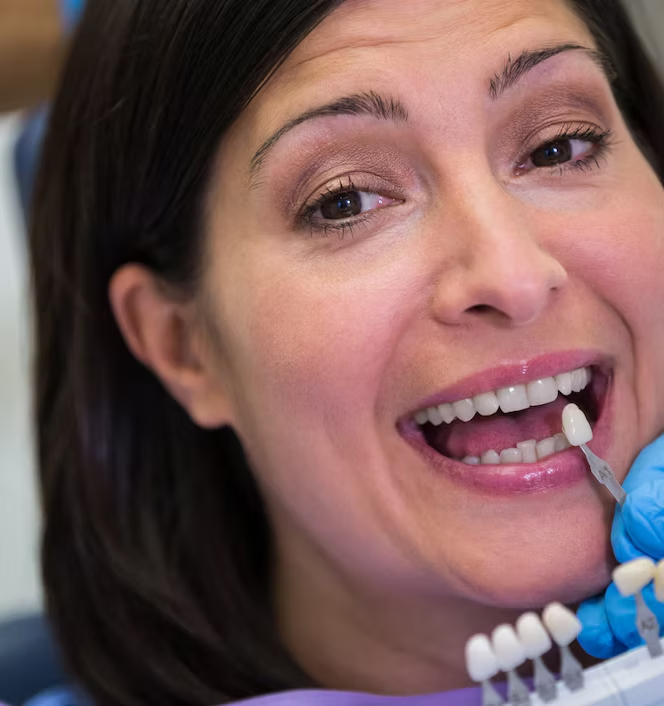
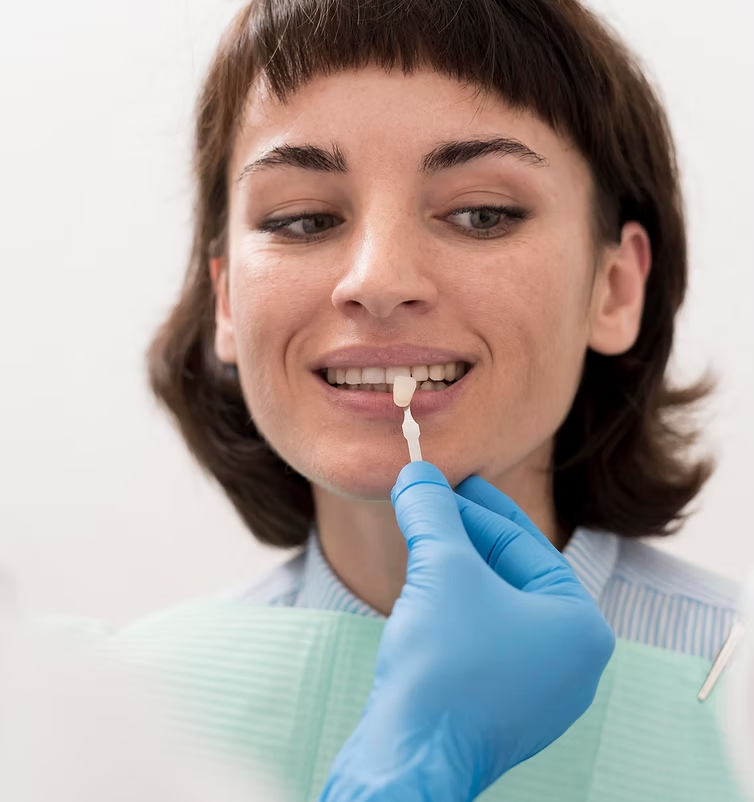
- Stain Selection: One of the most important steps in treatment is selecting the most suitable composite shade for your teeth. This is vital for a natural and aesthetically pleasing smile. Your dentist will help you determine a shade that complements your skin tone and the tone of your other teeth.
- Setting Expectations: Before treatment, you should clearly share your expectations with your dentist. Obtaining detailed information about the results, the limitations of the composite material, and the potential risks to your oral health will increase your satisfaction.
Composite Laminate (Bonding, Veneer) Applications
Composite LaminateThe procedure is usually completed in a single visit and is quick and painless.
- Tooth Preparation: First, the tooth surface is cleaned and roughened. This allows the composite material to adhere better to the tooth. Anesthesia is usually not needed, but local anesthesia may be applied if the patient is sensitive.
- Composite Application: The dentist applies a composite material matched to the tooth’s color to the tooth in layers. Each layer is hardened with a special bonding light.
- Shaping and Polishing: After the application is complete, the dentist shapes and smooths the composite material to the desired shape. Finally, special polishing tools are used to achieve the natural shine of teeth. This process ensures the natural appearance of the composite on the tooth surface.
At the DTM Clinic in Gaziantep, these procedures are performed with modern equipment and experienced specialists, prioritizing patient comfort.
Advantages and Disadvantages of Composite Veneers
The advantages and disadvantages of composite veneer treatment influence patients’ decisions regarding this procedure.
Advantages:
- Minimal Tooth Wear: It is a more conservative approach compared to other aesthetic treatments such as porcelain veneers. In most cases, no material needs to be removed from the tooth.
- Single-Visit Application: It can usually be completed in one visit, saving time.
- Economical: It is more cost-effective than porcelain veneers and other crown restorations.
- Easy to Repair: When a composite veneer breaks or is damaged, it can be easily repaired or replaced.
Disadvantages:
- Durability: It may be less durable than porcelain veneers.
- Discoloration: It may change color over time due to the effects of coloring agents such as cigarettes, coffee, and tea. Therefore, regular maintenance and checkups are important.
- Loss of Shine: It may not maintain its high gloss as long as porcelain.
- Limited Solution: It may be insufficient for severe dental aesthetic problems.
Things to Consider After Composite Veneer Application
It is important to follow certain rules to extend the life of the composite veneer application and maintain its aesthetic appearance:
- First 24 Hours: For the first 24-48 hours after the application, avoid foods that contain pigments (coffee, tea, red wine, cherry juice) and smoking.
- Oral Hygiene: Regular brushing and flossing are very important. Composite surfaces, like natural teeth, are prone to plaque accumulation.
- Avoid Hard Foods: Avoid cracking hard foods like nuts and ice with your front teeth.
- Regular Dental Checkups: Regular dental checkups should be performed every six months, and composite surfaces may need to be polished. The specialists at DTM Clinic in Gaziantep will extend the life of your veneers by providing the necessary care during these checkups.
How is Bonding Treatment Performed?
Bonding treatment, also known as the application of composite veneers, begins with an oral examination and planning by the dentist. The tooth surface is cleaned and roughened with a special solution. Then, a tooth-colored composite material is carefully applied to the tooth and cured with a special light. In the final stage, the dentist carves, smooths, and polishes the material to match the tooth’s natural shape. This achieves a result that is both aesthetically and functionally similar to a natural tooth.
How Long and How Many Sessions Does Bonding Treatment Take?
Bonding treatment is a relatively short procedure compared to other aesthetic procedures.
- Completed in a Single Visit: In most cases, bonding for one or more teeth is completed in a single visit. The application time for each tooth can vary from 30 minutes to 1 hour, depending on the procedure.
- Complete Treatment: If a comprehensive restoration is to be performed over the entire mouth, the procedure can be divided into several sessions, but the total time is still shorter than other aesthetic treatments.
Which Dental Aesthetics Can Use Bonding?
Bonding is particularly effective in resolving the following aesthetic issues:
- Discoloration: When teeth whitening is not sufficient.
- Gaps Between Teeth (Diastema): To close the gaps between the front teeth.
- Shape and Size Defects: Correction of short, small, or unnaturally shaped teeth.
- Fractures and Cracks: Repair of small chips or cracks on the surface of teeth. Repair.
- Gaps Caused by Gum Recession: An aesthetic solution for cases where tooth root surfaces are exposed.
What are the Advantages and Disadvantages of Bonding Treatment?
Are There Any Side Effects of Bonding?
Bonding is generally a safe treatment with no side effects when performed correctly. Temporary sensitivity may occasionally occur after the procedure, but this usually resolves within a few days. It is important to have the treatment performed by a specialist and to follow hygiene guidelines.
Are Composite Veneers Durable? How Long Do They Last? Is There a Risk of Breakage?
Composite veneers have a lower durability than porcelain veneers. The average lifespan can range from 5 to 7 years, but this can increase or decrease depending on the patient’s oral hygiene, dietary habits, and regular checkups. Habits such as biting hard foods or clenching teeth can increase the risk of a veneer breaking. However, since the composite material can be easily repaired, this risk does not pose a major problem.
In What Situations Is Bonding Applied?
Bonding is widely preferred in the following situations to address aesthetic concerns:
- Minimal Aesthetic Corrections: To correct minor imperfections, cracks, or deformities in teeth.
- Gaped Teeth: To close the gaps between teeth for a more uniform appearance.
- Color Problems That Cannot Be Resolved by Teeth Whitening: To conceal persistent and stubborn tooth stains.
- Abrasions on the Tooth Surface: Especially for covering root surfaces exposed by gum recession.
At specialized centers like the DTM Clinic in Gaziantep, the most appropriate treatment plan for individual patient needs is created using bonding applications.
Who Are We?
DTM Clinic is a dental clinic in Gaziantep that provides modern dentistry, offering aesthetic and functional solutions to its patients with its expert staff and state-of-the-art equipment. Our goal is to protect the oral and dental health of patients of all ages and help them achieve a confident and healthy smile. Our clinic is here to help you with both daily dental care and advanced treatments with a comprehensive range of services.