What is Pedodontics (Pediatric Dentistry)?
Pedodontics is a branch of dentistry requiring scientific and clinical expertise. It aims to ensure the healthy preservation of the primary and permanent teeth of children aged 0-16 and to identify and treat potential dental and jaw structure problems. Dentists working in this field are called pedodontists. Pedodontics not only protects children’s oral and dental health, but also aims to help them overcome their fear of the dentist and foster a positive experience, helping them develop lifelong healthy oral habits. It not only treats tooth decay but also offers comprehensive services such as preventative measures, post-traumatic interventions, and dental development monitoring. At specialized dental centers like the DTM Clinic in Gaziantep, all children’s dental needs are met in specially designed clinical environments.
Why is Pedodontics Important?
Pedodontics is vital to the overall health and development of children. Primary teeth not only fulfill chewing functions but also contribute to proper speech development and serve as space maintainers for the permanent teeth that will emerge. Early loss or decay of primary teeth can lead to crooked teeth, speech disorders, and nutritional problems. Furthermore, preventing the development of dental fear at an early age is crucial for children to develop regular dental checkups later in life. Pedodontists adopt treatment approaches appropriate to children’s developmental stages, ensuring their physical and psychological well-being. Therefore, regular dental visits during childhood form the foundation of a healthy life.
Who is a Pedodontist (Pediatric Dentist)?
A Pedodontist is a dentist who, after completing dental school, receives 3 to 5 years of specialized training in pedodontism. This specialist training covers all aspects of pediatric dentistry and provides in-depth knowledge and skills in the following areas:
- Child Psychology: The ability to communicate with children, put them at ease, and adapt them to the dental chair.
- Growth and Development: The timing of primary and permanent teeth eruption, jaw development, and the identification of orthodontic problems.
- Preventive Dentistry: Application of preventive methods such as fissure sealants and fluoride applications.
- Traumatic Dental Injuries: Intervention and treatment methods for dental trauma commonly seen in children.
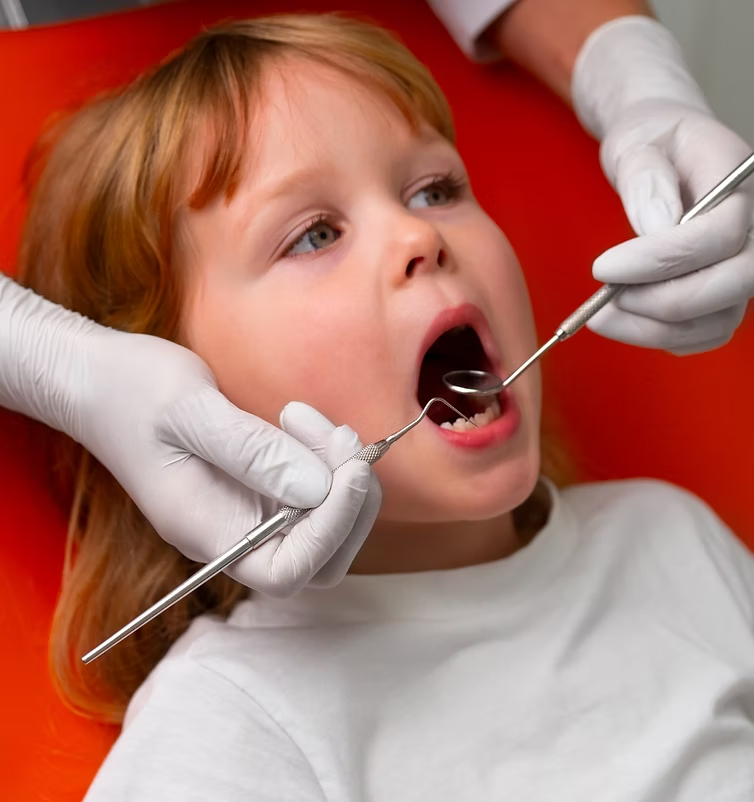
Pedodontists work in clinical environments designed for the special needs of children. Pedodontists at the DTM Clinic in Gaziantep minimize the anxiety of young patients with their child-friendly approach.
What Do Pedodontists Do?
The duties of Pedodontists are not limited to treatment. They offer a wide range of services:
- Oral and Dental Examinations: They regularly check children’s oral and dental health.
- Preventive Treatments: They administer treatments such as fluoride application and fissure sealants to prevent tooth decay.
- Fillings and Root Canal Treatment: They treat decayed primary and permanent teeth.
- Tooth Extractions: They extract primary teeth when necessary to accelerate the healing process.
- Space Maintainers: They replace prematurely lost primary teeth with space maintainers to ensure the correct eruption of permanent teeth.
- Traumatic Dental Treatments: They treat tooth fractures and displaced teeth resulting from falls or impacts.
- Bad Oral Habit Education: They guide parents and children to identify and prevent bad habits such as thumb sucking and lip biting.
What are the Fields of Study in Pedodontics?
Pedodontics primarily focuses on every stage of children’s oral and dental health. The areas of practice can be summarized as follows:
- Preventive Dentistry: Preventing tooth decay before it occurs.
- Restorative Dentistry: Treatment of decayed teeth with fillings and other methods.
- Endodontics (Root Canal Treatment): Root canal treatment when decay reaches the nerve in the tooth.
- Oral Surgery: Extraction of primary teeth and other minor surgical procedures when necessary.
- Dental Trauma: Emergency treatment of broken or displaced teeth.
- Early Orthodontic Treatments: Early detection and treatment of problems affecting jaw and tooth development.
What are Pediatric Dentistry Practices?
In pediatric dentistry, the delicate oral structures of children are cared for.Special procedures are performed to suit the needs of the baby.
- Baby Tooth Fillings: Decay in baby teeth is treated with special filling materials to prevent damage to permanent teeth.
- Amputation and Root Canal Treatments: In cases where deep decay has reached the tooth nerve, special root canal treatments are applied to baby teeth.
- Stainless Steel Crowns: In cases where baby teeth have suffered significant tooth loss, stainless steel crowns are used to protect them.
- Space Maintainers: Fixed or removable space maintainers are placed to replace prematurely extracted baby teeth to create space for permanent teeth.
Preventive Procedures Applied in Children
One of the most important tasks of Pedodontics is to prevent decay. Preventive methods applied for this purpose:
What Diseases Are Seen in the Pedodontics (Children’s Dentistry) Department?
The most common diseases encountered in the Pedodontics department are:
- Early Childhood Caries (Baby Bottle Caries): It is caused by the habit of drinking sugary drinks or milk from a bottle, especially before going to bed at night.
- Dental Traumas: Fractured or dislocated teeth experienced by children while playing or as a result of falls.
- Gum Disease: Gum inflammation, which can also be seen in children.
- Jaw and Tooth Developmental Disorders: Conditions that can be identified at an early age and referred for orthodontic treatment.
- Bad Habits: Habits that negatively affect the structure of the teeth and jaw, such as thumb sucking and nail biting.
What Symptoms Are Observed in Pedodontics (Children’s Dental)?
Symptoms that parents should pay attention to regarding their children’s oral health:
- Toothache: Sensitivity, especially to hot or cold foods.
- Brown or Black Spots on the Teeth: These may be the first signs of cavities.
- Gum Bleeding: Bleeding that occurs during brushing or spontaneously may indicate gingivitis.
- Bad Breath: Persistent bad breath may be a sign of oral hygiene problems or cavities.
- Cavities or Fractures in Teeth: Damage caused by trauma or decay.
When any of these symptoms are noticed, consulting a pedodontist immediately will prevent the problem from progressing. At the DTM Clinic in Gaziantep, such problems can be effectively treated with early diagnosis.
What Should Oral and Dental Care Be Like for Children?
Parents play a critical role in protecting their children’s oral and dental health.
- Care from Birth: Before the first tooth erupts, your baby’s gums should be wiped twice a day with a clean, damp cloth.
- Brushing the First Teeth: As soon as the first tooth erupts, begin using an age-appropriate, soft-bristled toothbrush and a lentil-sized amount of fluoride toothpaste.
- Proper Brushing Technique: Brushing habits should be established in children over 2 years of age, and brushing should be done under parental supervision until they are 6-7 years old.
- Eating Habits: Sugary and acidic foods and drinks should be limited, and sugary liquids should be avoided, especially before bedtime.
- Regular Checkups: Children should be taken to the dentist for regular checkups every 6 months.
Who Are We?
DTM Clinic is a dental clinic in Gaziantep that provides modern dentistry, offering aesthetic and functional solutions to its patients with its expert staff and state-of-the-art equipment. We aim to protect the oral and dental health of patients of all ages and help them achieve a confident and healthy smile. Our clinic offers a comprehensive range of services, including both daily dental care and advanced treatments.